Add Row
Add Element
UPDATE
Add Element
  • Home
  • Categories
    • HVAC
    • Home Maintenance
    • Plumbing
    • Electrical
    • Roofing & Exterior
    • Smart Home
    • Energy Savings
    • Spotlight Interviews
    • Guides & Tutorials
    • HVAC Expert Insights
Spotlighting the leaders shaping the future of home and industry.
December 02.2025
9 Minutes Read

How to Tell If Your HVAC System Is Running Inefficiently

Did you know that heating and cooling account for nearly half of an average U.S. home's energy use? Inefficient HVAC systems aren't just bad for your comfort—they could be quietly costing you hundreds of dollars every year. In today's era of unpredictable energy prices and new home technologies, understanding the health of your home’s hvac (heating, ventilation, and air conditioning) system has never been more important. As a homeowner, spotty room temperatures, rising monthly bills, and that unsettling hum from your vents might all point to underlying inefficiency. In this article, we’ll guide you through the critical warning signs of an inefficient hvac system, explain why each matters, and empower you to protect your comfort—and your wallet.

Startling Statistics: Why Every Homeowner Should Care About HVAC Efficiency

"Heating and cooling account for nearly half of the average U.S. home's energy use—inefficient HVAC systems can cost you hundreds each year."

It’s easy to take our indoor climate for granted. However, residential HVAC systems have a massive impact on your energy consumption, home comfort, and even indoor air quality. According to the U.S. Department of Energy, nearly 50% of a typical household’s annual utility bill is attributed to heating and cooling—far outpacing other appliances. This means a poorly performing or aging HVAC can lead to significant, unexpected expenses.

Addressing inefficiency early is vital. Homeowners who ignore these warning signs may face rapidly rising costs, costly breakdowns, or critical repairs when they’re least expected. By learning how your HVAC operates and what symptoms to watch for—from supply chain–impacted delayed repairs to the hidden costs of irregular cycling—you’ll be better equipped to keep your home safe and efficient.


High-quality photo of an HVAC system for efficient climate control.

What You'll Learn: Spotting the Signs of an Inefficient HVAC System

  • How rising energy bills signal HVAC inefficiency

  • Links between uneven temperatures and your HVAC performance

  • Why excessive cycling hurts your system’s lifespan

  • Strange noises and what they reveal about HVAC health

  • What poor airflow suggests about heating and cooling systems

This guide distills essential research and industry expertise, so you’ll recognize key red flags early. Catching inefficiency can save you more than just money—it ensures your home’s air quality, safety, and year-round comfort. With energy costs and HVAC trends evolving into 2025, these homeowner skills matter more than ever.

Rising Energy Bills: A Major Red Flag in HVAC Efficiency

Few things are more frustrating than opening your utility bill and seeing numbers that climb higher each month. A sharp or sustained rise in your energy costs often signals a hidden issue with your HVAC equipment. While seasonal swings are normal, if your heating and cooling expenses are outpacing the previous year—without any major lifestyle changes—it’s time to take notice. Inefficient systems may force your hvac to work harder to maintain the same comfort, increasing wear and raising bills in the process.

Comparing your monthly bills year-over-year is a smart way to spot early inefficiency. Causes range from clogged air filters and duct leaks to outdated residential hvac components or even wider supply chain disruptions affecting repair times. Be especially vigilant if your home is less comfortable but costs more to operate. Regular tracking not only reveals patterns but helps you avoid expensive surprises and preserves your indoor air comfort.

Analyzing Heating and Cooling Costs Compared to Previous Seasons

Month

2022 Bill ($)

2023 Bill ($)

Percent Increase

Jan

120

150

25%

Feb

110

135

23%

Review your heating and cooling costs over the past two years. In the table above, a sustained 20–25% rise with no dramatic weather or usage changes is a clear sign your HVAC isn’t operating efficiently. Modern systems and proactive maintenance can help stabilize these costs—saving money over time and maintaining better air quality in your home. Always factor in local rates, as utility prices can fluctuate with market trends, but when your home’s consumption rises unexpectedly, act quickly to diagnose or consult a hvac professional.


Dramatic energy bills and worried homeowner analyzing HVAC costs, digital chart, kitchen background - hvac inefficiency energy bills

Uneven Temperatures: Does Your HVAC Miss the Mark in Every Room?

Nothing sours home comfort faster than walking from a chilly bedroom into a sweltering family room. If you notice dramatic differences in temperature between rooms or consistently feel drafts, your hvac system may be struggling to do its job. These temperature swings can be caused by ductwork issues, restricted airflow, outdated thermostats, or a failing heat pump—all of which diminish system efficiency and threaten indoor air quality.

Uneven temperatures are often most obvious in homes with multi-level layouts or rooms that face different directions. Hot and cold spots can result from neglected maintenance, unbalanced airflow levels, or aging residential & commercial HVAC components. Consistently monitoring room conditions helps you spot inefficiency before it spirals out of control—so every room feels like the right temperature, all year long.

Spotting Trouble Zones: Where HVAC Falls Behind

Walk through your home and note any “trouble zones.” Is one bedroom always too cold, while the kitchen is overly warm? Place a thermometer or use a smart thermostat to track variance. Persistent temperature differences, especially in rooms served by the same hvac unit, reveal system imbalances or blockages in ductwork, potentially worsened by insufficient maintenance or clogged filters. Such patterns shouldn’t be ignored; they are classic symptoms that your hvac is running inefficiently.

Solving these issues goes beyond comfort. Unaddressed temperature imbalances can overtax your hvac equipment, lead to unnecessary repairs, and—if left unchecked—impact energy spending and system lifespan. If resetting vents or using ceiling fans doesn’t work, consult a qualified professional to balance your system and restore efficiency.
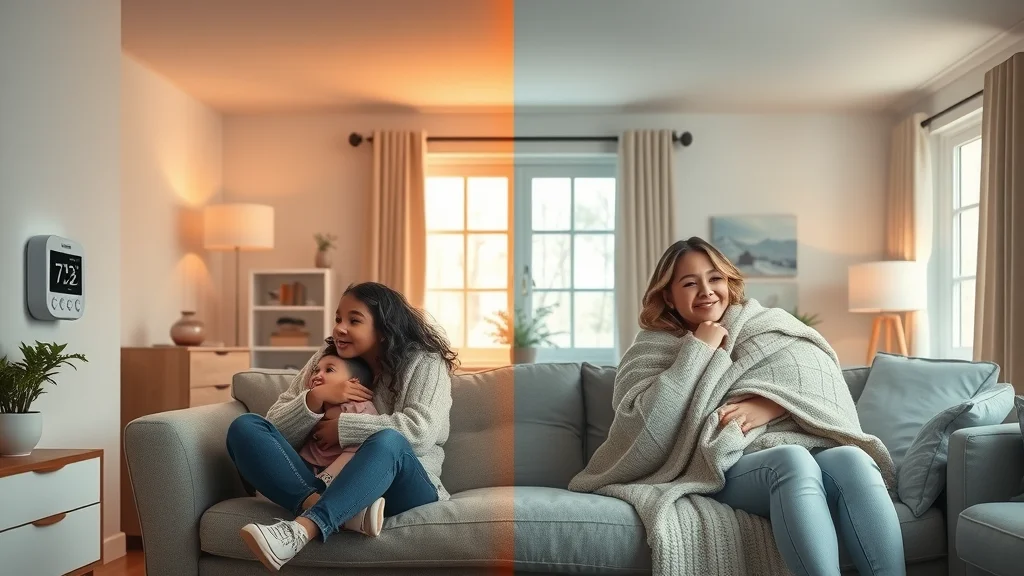

Two-room scene with contrasting temperatures, family experiencing uneven room comfort, different thermostat readings - hvac temperature imbalances

Excessive Cycling and Poor Airflow: Signs Your HVAC Needs Help

Does your HVAC system seem to turn on and off constantly, or never seem to fully warm or cool the house? Excessive cycling—frequent start-stop operation—isn’t just annoying; it is a telltale sign of reduced hvac efficiency. This abnormal cycling wastes energy, accelerates mechanical wear, and stresses system components. Likewise, poor airflow—like weak or inconsistent air from the vents—often indicates blockages, dirty filters, trapped dust, or failing fans, all of which cut into performance and can impact indoor air quality.

For residential and commercial buildings as well as data centers, airflow problems can have serious implications. Proper airflow management is key to energy savings, comfortable indoor air, and preservation of sensitive electronics in industry settings. For homeowners, rectifying these problems ensures comfort, avoids high humidity, and keeps air conditioning contractors at bay for urgent repairs.

Impact on Residential HVAC Systems and Data Center Operations

  • Frequent on/off cycles

  • Weaker airflow at vents

  • Increased humidity or dust

It’s not just home comfort at risk—businesses reliant on data center cooling or advanced computer equipment know how vital consistent airflow is. For homeowners, increased dust or humidity can signal leaks or gaps allowing outside air into the system, while excessive cycling may mean a faulty thermostat or loss of refrigerant. If you observe these issues, don’t delay: Consistent maintenance and proactive troubleshooting are crucial for both residential hvac and data center environmental control.
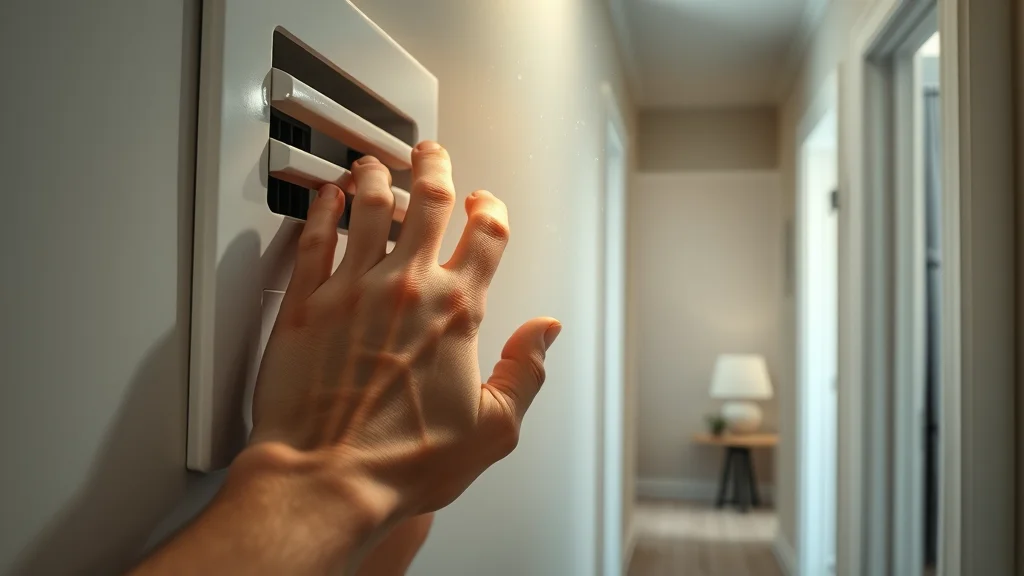

Close-up HVAC vent with weak airflow, adult testing the airflow, visible dust, natural hallway - hvac airflow issues

Strange Noises: When to Worry About Your HVAC and Heat Pump

Strange rattles, whirrs, or clanks from your HVAC or heat pump are more than minor annoyances—they’re clues to underlying mechanical issues or even challenges in getting replacement parts due to supply chain hiccups. Loud or persistent noises often signal loose components, aging belts, failing motors, or supply chain delays that are affecting timely repair and replacement. Don’t tune out these audio warnings; they can be an early alert to critical system failures.

Unaddressed noises can evolve into major repair bills, increased energy costs, and even complete hvac outages—especially if caused by worn-out bearings, debris in fans, or blower motor failures. Additionally, ongoing global supply chains disruptions increase wait times for essential hvac equipment. Early detection and action helps you stay ahead, while supporting cleaner indoor air quality.

How Rattling and Whirring Could Indicate Supply Chain Issues in HVAC Parts

"A noisy HVAC or heat pump isn't just an annoyance—it's a clue to deeper mechanical or supply chains-related troubles."

Many homeowners don’t realize that global supply chains can impact how quickly an hvac contractor can access replacement parts. This is especially true in 2025 as demand surges for energy-efficient upgrades and refrigerants with low global warming potential. If your system starts making new or louder noises, consult a professional who can diagnose and (if needed) source parts before a minor issue becomes a costly breakdown.


Professional HVAC contractor inspecting heating system in a home

Watch: Identify the top 5 signs your hvac system is costing you. See expert walkthroughs, real home examples, and simple fixes that can restore comfort and savings.

People Also Ask: Common Homeowner Questions About HVAC in 2025

What are the new HVAC changes 2025?

In 2025, the HVAC industry is expected to update efficiency minimums, phase in new refrigerants, and tighten standards for both residential HVAC and heat pumps, all aimed at reducing energy use and environmental impact.

The drive for energy efficiency and climate responsibility is reshaping the hvac landscape. From new refrigerant standards with lower warming potential to stricter energy codes, 2025 brings significant upgrades for both residential hvac and heat pump technologies. These rules lead to cleaner, more efficient systems and prepare homeowners for a future of smarter, greener comfort management.

Are HVAC prices going up in 2025?

Yes, due to rising material costs, global supply chain challenges, and regulatory upgrades, homeowners may see higher HVAC prices in 2025.

The increased demand for advanced hvac systems, phaseouts of older technologies, and persistent supply chain issues mean prices are likely to climb. Homeowners should plan for these adjustments when budgeting for upgrades or major repairs. Proactive maintenance now could help you avoid costlier replacements when prices reach their peak.

What are the HVAC trends in 2025?

Key HVAC trends for 2025 include advanced smart controls, integration of data center cooling technologies, greater use of high-efficiency heat pumps, and improved supply chain transparency.

Contemporary hvac systems are becoming smarter and more adaptable, borrowing best practices from data centers and commercial settings. Expect to see more residential systems with remote diagnostics, IoT integration, and predictive maintenance. Transparency in the supply chain ensures reliable parts and upgrades, making it easier for homeowners to stay ahead of the curve.

What is the $5000 rule for HVAC?

The $5,000 rule suggests multiplying the age of your HVAC system by the estimated repair cost—if the result exceeds $5,000, replacement is generally recommended over repair.

This common rule of thumb empowers homeowners to make smarter financial decisions about aging hvac equipment. For example, if your 12-year-old furnace needs a $450 repair, 12 x 450 = $5,400—so replacing the unit may be more cost-effective in the long run, especially with improved energy savings from new models.

How to Troubleshoot an Inefficient HVAC: Practical Homeowner Tips

  • Check or replace air filters regularly

  • Inspect for blocked vents or ducts

  • Schedule routine professional maintenance

  • Look for signs of refrigerant leaks

  • Monitor for persistent noises or unusual smells

Regularly replacing filters and ensuring vents aren’t blocked not only boosts your system’s efficiency, but also supports healthy indoor air. Annual checkups by qualified air conditioning contractors or heating and cooling professionals can catch minor issues before they become emergencies. Pay attention to odd smells—which could mean mold or refrigerant leaks—and don’t ignore system alarms or increased humidity. These DIY checks, paired with timely expert intervention, maximize comfort and minimize costly disruptions for both residential and commercial properties.


Happy homeowner with HVAC contractor showcasing heating and cooling services.

FAQs About HVAC Energy Efficiency and Upgrading Your HVAC System

  1. How can I improve residential HVAC efficiency?
    Regularly clean or replace filters, seal duct leaks, use programmable thermostats, and opt for high-efficiency hvac equipment when upgrading.

  2. What maintenance does a heat pump require?
    Schedule seasonal checkups, keep outdoor coils clear, and inspect refrigerant levels for stable, long-term operation.

  3. How do data center cooling techniques apply to homes?
    Energy-efficient airflow management, zoned temperature control, and smart monitoring from data centers are being adapted for residential use.

  4. Can supply chain delays impact HVAC repair time?
    Yes—global supply chain challenges can affect how quickly parts arrive, sometimes leading to longer downtime or higher repair costs.

  5. Are heating and cooling upgrades worth the investment?
    Absolutely. Modern hvac upgrades improve comfort, reduce energy costs, and offer better indoor air quality—making them a wise long-term investment.

Key Takeaways: Save Energy and Money with a Healthy HVAC

  • HVAC inefficiency wastes energy and money

  • Early detection of issues helps avoid costly breakdowns

  • Modern upgrades and regular maintenance deliver lasting savings

Ready for Lower Energy Bills? Get an HVAC Efficiency Audit Today

Take charge of your comfort and savings by scheduling a professional HVAC efficiency audit—your energy bills (and home) will thank you.

Sources

  • U.S. Department of Energy – https://www.energy.gov/energysaver/heating-cooling

  • ENERGY STAR – https://www.energystar.gov/products/heating_cooling

  • ACHR News – https://www.achrnews.com/

  • BNP Media – https://www.bnpmedia.com/

  • U.S. EPA Indoor Air Quality – https://www.epa.gov/indoor-air-quality-iaq


To further enhance your understanding of HVAC efficiency and maintenance, consider exploring the following resources:

  • “5 Telltale Signs of an Inefficient HVAC”: This article outlines common indicators of HVAC inefficiency, such as inadequate cooling, inaccurate thermostats, drainage problems, clogged filters, and unusually high electric bills. (achvac.com)

  • “Five Warning Signs Your AC Isn’t Running Efficiently”: This resource discusses signs like unusually high energy bills, inconsistent temperatures, constant operation, aging systems, and frequent repairs, providing insights into maintaining optimal AC performance. (lennox.com)

By reviewing these articles, you’ll gain valuable insights into identifying and addressing potential inefficiencies in your HVAC system, ensuring better performance and energy savings.

HVAC Expert Insights

Write A Comment

*
*
Related Posts All Posts
12.10.2025

How to Troubleshoot HVAC Not Turning On: Expert Advice from Just Some Brothers Heating and Cooling

Just some brothers heating and cooling,LLC 📍 Address: 4118 NY-31, Clay, NY 13041, USA 📞 Phone: +1 855-697-8003 🌐 Website: https://www.justsomebrothersheatingandcooling.com/ ★★★★★ Rating: 5.0 Lost Heat or AC? Why Understanding Common HVAC Issues Matters in the Northeast A home’s heating and cooling system stands as its first defense against the elements—a reality that becomes painfully clear when the furnace or air conditioner doesn’t turn on during a frigid Syracuse winter night or a sweltering summer afternoon. For homeowners in aging Northeastern properties, where infrastructure and weather conditions conspire to challenge modern comfort, a silent HVAC unit can spell immediate discomfort, plumbing risks, and even health concerns. With energy costs rising and weather patterns growing more erratic, the pressure to solve an HVAC outage quickly and intelligently is only increasing. According to regional HVAC professionals, most home climate control failures start with a handful of predictable culprits. Yet, diagnosing what’s happening behind the scenes is rarely straightforward for the uninitiated. Overlooking a simple issue—like a thermostat setting or a tripped breaker—can lead to unnecessary service calls and longer stretches in the cold or heat. Conversely, missing early warning signs in complex mechanical systems might result in costly breakdowns or unsafe operating conditions if not addressed promptly. The following guide arms Northeast residents with practical, expert-endorsed steps to methodically troubleshoot a non-responsive HVAC system, helping families distinguish between quick DIY fixes and cases where a professional’s expertise is required. What Every Homeowner Must Know: The Real Reasons Your HVAC System Won’t Turn On Heating, ventilation, and air conditioning equipment is deceptively complex—integrating electrical, mechanical, and digital components across the home. When the system stays off despite obvious need, panic is a natural response, especially when outdoor temperatures swing toward dangerous extremes. In regions like Central New York, where older homes are common, a lack of familiarity with HVAC basics can quickly escalate an inconvenience into an untenable emergency. This makes understanding common sources of HVAC failure not just empowering, but essential. The journey from thermostat signal to climate comfort is fraught with potential stumbling blocks. Small, overlooked issues—like dead batteries, switched-off service panels, or clogged air filters—often masquerade as major failures. Yet, in houses with legacy wiring or outdated panels, these “minor” issues may hint at underlying vulnerabilities that worsen with each season. The loss of heat in the Northeast comes with unique risks: frozen plumbing, compromised indoor air quality, and the financial burden of urgent repairs. Knowing what to check—and when DIY ends—protects both household comfort and long-term property health. Key Troubleshooting Steps: Actionable HVAC Diagnoses from Regional Specialists Drawing from years of work in homes across Syracuse and neighboring communities, Just Some Brothers Heating and Cooling identifies several steps homeowners should use to troubleshoot when an HVAC unit remains silent. First, examine the thermostat—responsible for nearly a third of “no heat” calls, according to these local experts. A thermostat with drained batteries, incorrect mode settings, or loose wall wiring (common in homes with plaster walls) can cut off a system entirely. Verifying power supply comes next—furnaces and air handlers often sit on separate, dedicated circuits. Locating and resetting a tripped breaker (without repeated flipping, which signals a deeper issue) is a fast, crucial step, particularly since many Northeast homes have older, more sensitive panels and face wintertime electrical demand surges. The Syracuse-based team also emphasizes checking the unit's service switch—often mistaken for a light switch and inadvertently turned off during routine cleaning or organizing. A furnace or air handler switch left in the OFF position will render even the most advanced heating system inert. Keeping the air filter clean is just as vital; extreme airflow restriction from a clogged filter can overheat and automatically disable your HVAC equipment. In properties with aging ductwork, even modest blockages can tip an otherwise functional system into failure. Reviewing the outdoor unit becomes particularly important during and after seasonal storms: heat pumps and air conditioner condensers may be shut down by accumulated ice, drifting snow, or debris. Finally, the team recommends listening carefully: total silence may signal a failed blower motor, repetitive clicks can mean ignition problems, and a persistent hum without starting often reveals a failed capacitor. While basic checks may be household-friendly, at this stage, engaging a licensed technician is often the safest route due to the complexity and potential hazards involved. How Routine Maintenance by Local HVAC Experts Prevents Sudden Breakdowns The value of regular system care cannot be overstated—especially in older Northeastern homes that face dramatic seasonal swings. The Syracuse-based Brothers advocate for annual maintenance visits, during which technicians comprehensively inspect, clean, and calibrate both heating and cooling equipment. This approach helps catch common culprits—such as worn fan belts, leaky ducts, and dirty filters—before they become emergencies. When filters are cleaned or swapped consistently, airflow improves, reducing stress on both older and newer systems alike. Preventative attention also enables early detection of more serious issues that non-specialists might miss, such as rusted flue pipes or failing electrical components. The outcome is not just a lower risk of midwinter misery or peak-summer frustration, but also greater indoor air quality and reduced utility bills. As these local HVAC professionals note, prompt maintenance in the Northeast’s heavy weather cycles means less exposure to breakdowns—and in some cases, protection from secondary damage like frozen pipes or overheated motors. Adapting HVAC Troubleshooting Steps to Syracuse’s Unique Housing Stock Troubleshooting steps in the context of Central New York require an appreciation for the homes themselves. Many regionally-built houses rely on legacy wiring, period ductwork, or unconventional insulation strategies. This means that, while step-by-step HVAC checks are widely applicable, the experienced eye of a regional technician adds another layer of insight. For example, persistent airflow issues often trace back to undersized registers or duct leaks more common in houses built prior to 1970. Similarly, furnace switches situated in unusual locations can catch even attentive homeowners off guard. The regional expertise of companies like the Brothers reflects not only technical proficiency, but lived familiarity with common homeowner oversights: thermostats hidden behind furniture, breaker labeling quirks, or the “mystery switch” confusion in basements and utility closets. This contextual knowledge ensures that even troubleshooters following a general checklist benefit from local nuances that can make the difference between a quick fix and a prolonged outage. Seasonal Shifts and the Added Risk for Your HVAC System Extreme cold snaps and summer heatwaves put compounded stress on HVAC systems across the Northeast. During high energy demand, sensitive older electrical panels may trip breakers more easily, especially in multi-family dwellings or neighborhoods experiencing grid strain. Meanwhile, wintertime issues like ice on heat pump coils or snow-blocked air intakes are much less common in milder climates but are a routine concern in Syracuse’s lake-effect environment. Homeowners who understand these seasonal vulnerabilities, and adjust routine checks accordingly—such as clearing snow away after storms or supplementing insulation in draft-prone rooms—are better positioned to avoid emergencies. The Brothers recommend staying attentive not just to immediate symptoms, but also to gradual performance changes as seasons change, ensuring that minor inefficiencies don’t become major disruptions when swift intervention becomes critical. How Just Some Brothers Heating and Cooling Defines Trusted HVAC Troubleshooting in Central New York The approach taken by Just Some Brothers Heating and Cooling is rooted in a philosophy of rigorous assessment, patient education, and transparent collaboration with homeowners. The team, known across Syracuse and surrounding areas for its detailed system assessments and honest recommendations, emphasizes the critical role of initial diagnostics—listening to residents’ lived experiences, asking the right questions, and methodically tracing problems from simple to complex causes. This method ensures no basic check is skipped before turning to costlier repairs or replacements. At the heart of the Brothers’ practice is a deep belief in proactive, family-oriented service: the household’s year-round comfort and safety guide every step. The group’s commitment to ongoing, evidence-based maintenance is not just about equipment longevity, but about insulating families from Northeast climate challenges unique to the region. Having built a reputation for reliability, availability (including 24-hour emergency response), and clear communication, these local HVAC experts set a standard for how trusted troubleshooting and care can keep homes comfortable and systems operating smoothly through the fiercest winter or hottest summer. Homeowner Confidence in Action: A Word from a Satisfied Customer For many Syracuse area residents, the proof of an HVAC expert’s value lies in responsive problem-solving and genuine dedication to getting things right. One area homeowner shared this experience after an urgent system replacement: Alex went over and above when replacing my condensing unit!! He stayed on the job for extra hours until he was satisfied it was up and running properly. Alex was professional, knowledgeable, punctual, thorough and courteous with reasonable prices and is someone who takes pride in his work! I highly recommend this company!! This perspective echoes what many in Central New York seek from their local HVAC team: not only technical proficiency but a willingness to treat each home with personal investment. Successful interventions often mean more than restored warmth or cooling—they inspire trust and reinforce the wisdom of following expert guidance with high-stakes home comfort decisions. Ensuring Year-Round Comfort: The Lasting Value of HVAC Troubleshooting and Local Expertise As Northeast weather puts homes and HVAC systems to the test each year, informed, step-by-step troubleshooting offers a safeguard against seasonal crises. The hands-on approach modeled by the team at Just Some Brothers Heating and Cooling shows that while many issues start simple, every check—from the thermostat to breaker, from filter to outdoor unit—matters. Homeowners who recognize these signals and act promptly give themselves the best chance at uninterrupted comfort, efficiency, and safety. With the combination of foundational technical know-how, consistent maintenance, and a locally grounded perspective, Central New York families can move confidently through winter and summer alike. When more complex repairs are needed, the trust and availability offered by established Syracuse HVAC professionals provide the peace of mind every homeowner deserves—proving that the right troubleshooting routine is always a smart first line of defense. Contact the Experts at Just Some Brothers Heating and Cooling, LLC If you’d like to learn more about how HVAC troubleshooting could benefit your home’s heating and cooling reliability in all seasons, contact the team at Just Some Brothers Heating and Cooling, LLC. 📍 Address: 4118 NY-31, Clay, NY 13041, USA 📞 Phone: +1 855-697-8003 🌐 Website: https://www.justsomebrothersheatingandcooling.com/ Just Some Brothers Heating and Cooling, LLC Location and Hours 🕒 Hours of Operation:📅 Monday: 8:00 AM – 5:00 PM📅 Tuesday: 8:00 AM – 5:00 PM📅 Wednesday: 8:00 AM – 5:00 PM📅 Thursday: 8:00 AM – 5:00 PM📅 Friday: 8:00 AM – 5:00 PM📅 Saturday: Open 24 hours📅 Sunday: Open 24 hours

12.10.2025

HVAC Solutions for Mobile Homes: Expert Advice from Paul’s Service Company That Every Homeowner Should Know

Pauls Service Company📞 Phone: +1 978-388-5521🌐 Website: https://www.paulsservicecompany.com/★★★★★Rating:0.0Meeting Northeast Mobile Home HVAC Needs: What Every Owner FacesMobile home owners throughout the Northeast contend with challenges that stretch beyond simple comfort—especially when the thermometer dips below freezing or swelters in humid summer peaks. In this region, where the climate is notoriously unpredictable, temperature extremes can swiftly reveal the shortcomings of outdated or ill-suited heating and cooling systems. Whether you’re navigating an unexpectedly long winter or a sudden burst of hot, sticky weather, the limitations baked into older mobile home designs often become painfully obvious and expensive.Understanding the intricacies of HVAC—and how they apply directly to manufactured housing—is more than a matter of preference. It’s essential for safe, consistent comfort, reliability, and fiscal responsibility. The demands placed on mobile home HVAC systems in this environment are far from generic. They require special consideration and planning, as traditional equipment sizing and installation methods can fail spectacularly if applied without regard for a mobile home’s unique design. Industry specialists have documented countless cases where improper system selection or shortcuts in installation have led to uneven temperatures, skyrocketing bills, and premature system breakdowns. Addressing these hidden pitfalls early on is not only wise but critical—helping homeowners avoid troubleshooting nightmares down the road. Rethinking HVAC for Mobile Homes: Anatomy of a Specialized SystemThe science behind residential HVAC becomes far more layered when applied to mobile homes. Unlike site-built houses, manufactured homes are constructed with compact layouts, narrow ductwork, and lighter, sometimes less insulated building materials—all factors that sharply impact how heating, ventilation, and air conditioning systems perform. One recurring issue across the Northeast, as outlined by experienced Danville technicians, is that undersized or improperly routed duct channels restrict both airflow and sensible equipment selection. These constraints mean that using “off-the-shelf” solutions often results in inefficient climate control, rapid system wear, and higher energy costs.Historically, many mobile homes in this region were installed with only rudimentary heating setups—and almost never with central cooling. As such, upgrades must navigate challenging spatial clearances, HUD safety standards, and varied insulation and air sealing. When HVAC units are oversized to combat cold snaps but not properly matched to the space’s unique envelope, it’s common to see problems such as short cycling, inconsistent comfort, and breakdowns. Homeowners unaware of these technical nuances often find themselves stuck with systems that underperform when the weather is at its worst—precisely when reliable heating or cooling is needed most.Why Cold-Climate Heat Pumps and Mini-Splits Have Changed the HVAC Landscape for Mobile Homes Paul’s Service Company, a family-run HVAC provider rooted in Danville and serving the greater Seacoast and Manchester areas, brings a technician’s perspective to this evolving landscape. According to the company’s seasoned professionals, heat pump systems—especially the latest cold-climate models—now represent a practical, highly efficient answer for mobile homes facing everything from harsh New England winters to muggy coastal summers. Unlike conventional air conditioners and furnaces, heat pumps offer a single solution for both heating and cooling, which is especially appealing in homes with physical space constraints.Ductless mini-split systems, which have gained popularity in the Northeast for their adaptability and non-invasive installation, require no major ductwork. The Danville team notes their strong performance in restricting utility costs while delivering precise zone control—essential for compact, segmented floorplans common in manufactured housing. From lower installation invasiveness to heightened operational efficiency, these options minimize disruption and maximize year-round comfort, reducing the need for costly retrofits or intrusive carpentry.Specialized Furnaces: Adhering to HUD Standards in Mobile Home HVAC UpgradesFor mobile homeowners who prefer traditional forced-air heating, merely choosing a high-powered residential unit is not only ineffective—it can be dangerous. The technicians at Paul’s Service Company emphasize the need for furnaces specifically manufactured and rated for mobile home use. These units feature sealed combustion chambers and are built with the structural and safety criteria outlined by federal HUD regulations. Retrofitting or replacing original mobile home furnaces with inappropriately sized or designed equipment consistently results in operational headaches: overheating, noisy and premature system cycling, and energy waste are common symptoms in the field. The Danville HVAC specialists routinely address the aftermath of previous installations where standard residential furnaces were forced into a mobile home setting against code or manufacturer recommendations. Such mismatches not only compromise efficiency but also expose homeowners to real safety concerns—underscoring the importance of choosing HVAC professionals familiar with the unique requirements of manufactured housing.Getting HVAC Sizing Right: The Critical Role of Load Calculation in Mobile HomesSystem sizing in mobile homes is not just about comfort—it’s about extending equipment longevity and maintaining energy efficiency during the region’s arduous heating season. Oversized air conditioners cool too quickly, leaving behind humid interiors, while oversized furnaces cycle rapidly, dramatically shortening equipment lifespan. Undersized systems, conversely, operate continuously—leading to wear and elevated energy consumption. Paul’s Service Company’s approach underscores the necessity of precise, room-by-room load calculations, which take into account insulation gaps, ventilation from skirting, and the localized impact of New England’s subfreezing winters.Gone are the days when HVAC planning for a mobile home could be managed by rough estimate or casual sizing “rules of thumb.” The Danville technicians point out that every manufactured home—thanks to its distinctive architecture—needs careful analysis before any equipment decision is made. Addressing these factors at the outset reduces instances of uneven heating, high bills, and repeated breakdowns, leading to a system tailored for sustained comfort and reliability. Long-Term Comfort in the Northeast: Practical Insights for Mobile HomeownersMobile homeowners in the Northeast are well-served by a proactive, educated approach to HVAC design and maintenance. Over time, lessons learned in the field make clear that chasing the largest or most expensive system rarely delivers the best outcome. Instead, fitting the system to the home’s specific needs—balancing load, layout, and local climate factors—betters every measure of performance. Local HVAC specialists remind homeowners that a well-maintained, right-sized system consistently offers more reliable comfort and energy savings year after year.Paul’s Service Company’s field-experienced technicians recommend regular checkups, filter maintenance, and carefully planned upgrades for all mobile home HVAC systems. This pragmatic mindset, rooted in decades of tackling regional challenges, ensures homeowners stay ahead of costly repairs and enjoy consistent indoor quality. In an environment where weather can be unforgiving and housing construction differs from the norm, these small, targeted actions accumulate to make a tangible difference.Paul’s Service Company: A Local Perspective on Mobile Home HVAC ExcellenceAs a family-owned and owner-operated business with more than 30 years in the field, Paul’s Service Company operates with a practical philosophy: reliable HVAC requires more than technical skill—it demands a nuanced understanding of each client’s home and needs. Rooted in Danville and extending their reach across the Seacoast to southern Maine and the wider Northshore Massachusetts region, these technicians bring a distinct blend of regional insight and service continuity to every project.Their approach blends hands-on experience with a commitment to transparent, up-front estimates and honest guidance—a must when serving a demographic contending with unique housing constructions. The service company’s mission is clear from its longstanding community presence: to provide accurate HVAC assessments, tailored system designs, and responsive repair or maintenance, all while honoring the practical realities of mobile home living. For homeowners, this means trusted guidance and solutions grounded in decades of local, real-world expertise.What Real Homeowners Experience with Professional Mobile Home HVAC ServiceThe lived experience of mobile home owners in the Northeast often echoes themes of relief and reassurance when systems are evaluated and serviced by local experts familiar with manufactured housing challenges. While specific client testimonials are withheld in this overview, the broad trajectory revealed by decades of feedback is unmistakable—those who engage with HVAC professionals versed in the unique constraints of mobile homes consistently report better comfort, increased trust, and peace of mind. [[review_one_text]] —[[review_one_name]]Homeowners who act on this expertise experience not just improved heating and cooling, but also confidence that their homes are safeguarded against common HVAC missteps. By aligning systems with the realities of mobile home life—and proactively managing maintenance—mobile residents position themselves for years of comfortable, worry-free living.The Lasting Value of Smart HVAC Planning for Mobile HomesFor residents of the Northeast, the path to lasting indoor comfort winds through a maze of climate extremes, evolving building codes, and structural quirks unique to manufactured housing. Paul’s Service Company stands as a local authority, demonstrating that informed choices—rooted in accurate sizing, qualified equipment, and thorough understanding of home limitations—can transform HVAC from a source of stress into a foundation for year-round comfort.Mobile homeowners who prioritize the right system, regular maintenance, and an informed approach to their living space are those who overcome inefficiency and unexpected breakdowns. In a region where temperature swings can be dramatic and every square foot counts, effective mobile home HVAC is not optional—it’s essential. Thanks to objective, regionally informed expertise, solutions are more accessible and reliable than ever.Contact the Experts at Paul’s Service CompanyIf you’d like to learn more about how HVAC solutions tailored to mobile homes could benefit your comfort and efficiency, contact the team at Paul’s Service Company.📞 Phone: +1 978-388-5521🌐 Website: https://www.paulsservicecompany.com/Paul’s Service Company Location and Hours🕒 Hours of Operation:📅 Monday: 9:00 AM – 5:00 PM📅 Tuesday: 9:00 AM – 5:00 PM📅 Wednesday: 9:00 AM – 5:00 PM📅 Thursday: 9:00 AM – 5:00 PM📅 Friday: 9:00 AM – 5:00 PM📅 Saturday: ❌ Closed📅 Sunday: ❌ Closed

12.10.2025

How Insulated Metal Panels Meet the Need for Efficiency in Construction

Update Introducing Insulated Metal Panels: Solutions for a Modern ChallengeIn today's fast-paced construction industry, the quest for efficiency, cost-effectiveness, and speed has never been more urgent. With rising demands for expedited builds amid labor shortages and fluctuating material costs, industry innovations such as Insulated Metal Panels (IMPs) are gaining traction. These versatile panels serve as a comprehensive solution, addressing multiple challenges while promoting sustainability.The Multifaceted Benefits of IMPsIMPs function as an integrated building envelope, combining insulation and cladding into a single, easy-to-install unit. This innovation leads to significant savings in both time and labor costs. As noted by industry experts, switching to IMPs can reduce construction timelines by up to 50%. Their lightweight design ensures ease of handling, and their prefabricated nature means builders can face less onsite complexity, which translates to enhanced project velocity.Moreover, IMPs provide exceptional thermal efficiency, boasting an R-value of up to 9 per inch, which significantly lowers energy bills. This advantage makes them a favorable option for meeting stringent energy regulations and green building certifications such as LEED.How IMPs Address Construction Challenges TodayAs the construction industry grapples with persistent labor shortages, IMPs enable companies to deliver high-quality structures without compromising on the timeline. They minimize delays caused by weather, as their moisture-resistant properties allow construction to continue in adverse conditions. According to a report by Procore, the pressure to meet tight deadlines is paramount, and missing these can result in substantial financial losses.Cost Efficiency and Sustainability in BuildingAdopting IMPs can yield remarkable cost savings, not just during the installation phase but throughout the lifecycle of the building. Their durability reduces maintenance needs, effectively ensuring that property owners spend less on repairs and upkeep. Additionally, the panels are made from recycled materials and are 100% recyclable, aligning with contemporary sustainability goals crucial for homeowners and builders alike.Design Flexibility: Aesthetic Meets FunctionalityBeyond their structural and functional benefits, IMPs offer designers incredible versatility. Available in various colors, textures, and profiles, they meet aesthetic demands without sacrificing performance. Whether constructing warehouses or residential properties, architects can achieve unique design visions while enhancing insulation and energy efficiency.Looking Ahead: The Future of Construction with IMPsLooking towards the future, the demand for techniques that enhance velocity while upholding quality is poised to skyrocket. Companies that adopt IMP technology may find themselves at a competitive advantage amidst the ever-evolving construction landscape. As builders strive to meet modern demands, IMPs could redefine industry standards, promising an era where efficiency and quality go hand-in-hand.How Home Service Providers and Homeowners Can BenefitFor home service providers, the adoption of IMPs can translate into quicker project turnovers and satisfied clients. Homeowners and homebuyers also stand to gain from residences that are constructed faster, promise lower utility costs, and exhibit enduring quality. By understanding the advantages of IMPs, all stakeholders can make informed decisions that ultimately elevate the standards for residential and commercial construction.To stay ahead in the competitive construction market, embrace the advantages that Insulated Metal Panels have to offer. As technology advances, integrating sustainable solutions like IMPs may very well be the key to meeting future construction challenges.

Terms of Service

Privacy Policy

Core Modal Title

Sorry, no results found

You Might Find These Articles Interesting

T
Please Check Your Email
We Will Be Following Up Shortly
*
*
*