Add Row
Add Element
UPDATE
Add Element
  • Home
  • Categories
    • HVAC
    • Home Maintenance
    • Plumbing
    • Electrical
    • Roofing & Exterior
    • Smart Home
    • Energy Savings
    • Spotlight Interviews
    • Guides & Tutorials
    • HVAC Expert Insights
Spotlighting the leaders shaping the future of home and industry.
December 09.2025
7 Minutes Read

How Much Does a New HVAC System Cost? A Complete Guide Presented by Partridge Family Heating LLC


Thoughtful homeowner reviewing a bill at a kitchen table, mild concern in soft sunlight.

Partridge Family Heating LLC

📍 Address: 402 Switch Rd, Canaan, NH 03741, USA

📞 Phone: +1 603-523-4151

🌐 Website: http://www.partridgefamilyheat.com/

★★★★★

Rating:4.2


Replacing an HVAC System in 2025: What Every Homeowner Needs to Know

When it comes to owning a home, few expenses match the financial impact of replacing an HVAC system. Upgrading an aging furnace or outdated air conditioner can easily become one of the most significant mechanical investments a homeowner undertakes—and the range of possible costs is surprisingly wide. Equipment type, home design, and even local climate requirements all contribute to what you’ll pay for comfort in every season.

Homeowners searching for answers about HVAC system pricing often find themselves wading through scattered estimates and unclear advice. That’s where real-world experience matters. With over 25 years serving the Upper Valley’s unique needs, Partridge Family Heating LLC’s decades in heating and cooling installation offer an informed perspective on what shapes true HVAC costs. This guide distills their frontline knowledge to answers the exact questions that matter—so you know what to expect before the first technician sets foot in your basement.

The 2025 Price Range: What a New HVAC System Actually Costs

For those preparing to budget, it’s critical to know the current landscape of HVAC pricing. The cost to install a new system varies by equipment type, regional factors, and the specific demands of your home. On average across the U.S., homeowners can expect to pay between $3,500 and $8,500 for a new furnace, with high-efficiency models and larger capacities tending toward the upper end of that range.
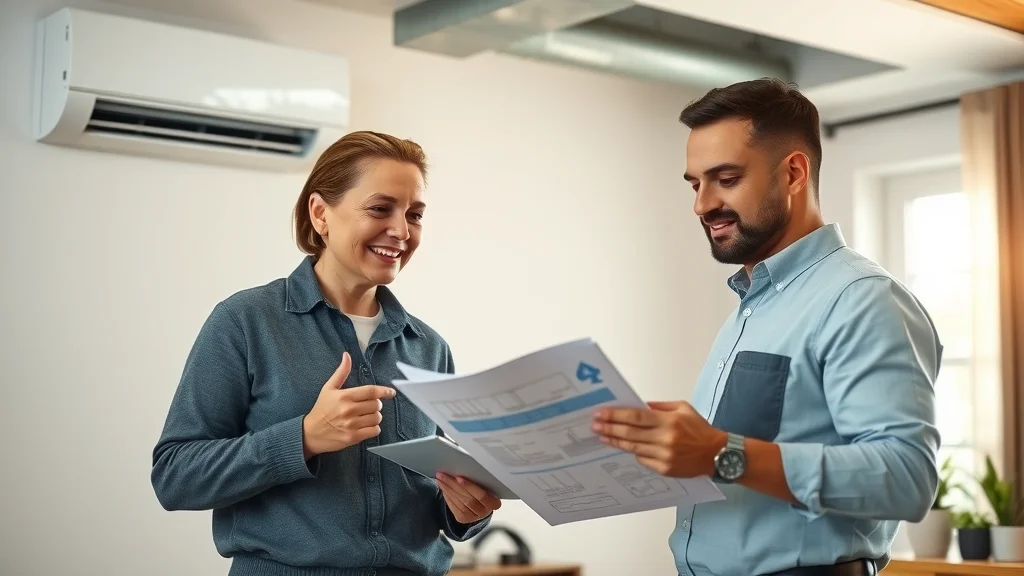

Homeowner with HVAC technician reviewing new hvac system installation in living room

Central air conditioning systems, designed to deliver consistent cooling throughout the home, typically cost between $5,000 and $12,500 installed. Heat pumps—prized for their energy efficiency and ability to both heat and cool—run warmer climates from $8,000 to $18,000, with cold-climate models commanding the highest premiums. Homeowners choosing to fully upgrade all comfort systems at once, such as replacing a furnace and central air or opting for a whole-home heat pump, should budget between $12,000 and $25,000+ for a complete installation, especially when advanced efficiency or additional work is required.

Technicians at Partridge Family Heating LLC point out that HVAC system costs often run higher in northern climates like New Hampshire and Vermont. The need for powerful heating equipment, larger system sizing (measured in BTUs or tons), and stricter local regulations all contribute to estimates that can outpace national averages—an important consideration for Upper Valley homeowners.

Breaking Down What Influences HVAC System Pricing

Price tags on HVAC projects are shaped by more than just the brand or equipment model. Home size plays a dominant role, with larger homes requiring greater BTU or tonnage capacity to properly heat and cool each room. Fuel type can also move the meter, as systems running on oil typically cost more than those using gas, propane, or electricity; meanwhile, heat pumps may require upgrades to electrical service lines—a cost often overlooked in initial estimates.
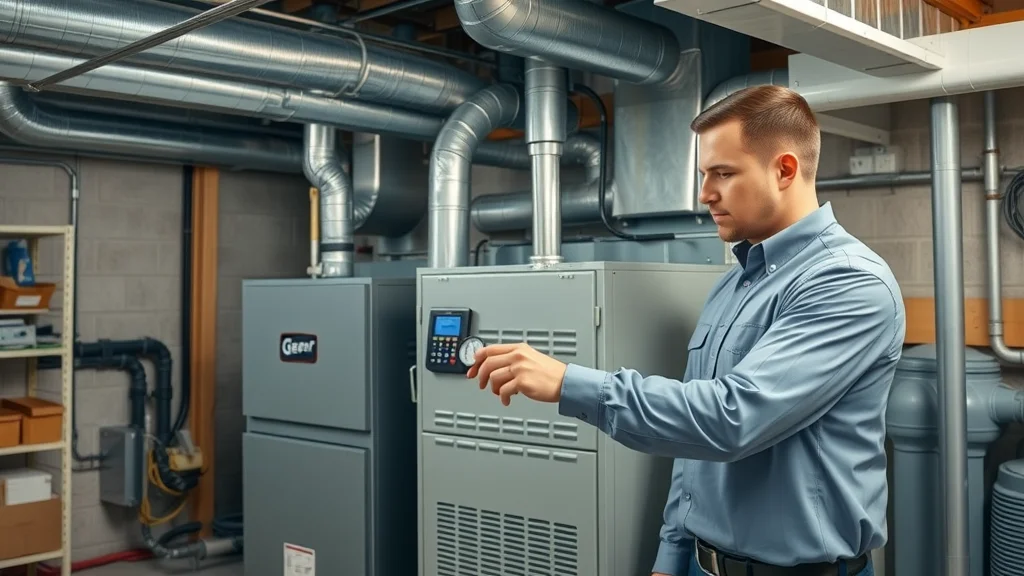

Technician installing high-efficiency HVAC system in modern basement mechanical room

The efficiency rating of an HVAC system (measured by standards like SEER2 for cooling or AFUE for furnaces) has a dual effect: higher ratings demand a higher upfront investment, but reward homeowners with lower monthly utility bills over time. The condition of a home’s ductwork is another silent factor. Older ducts may need resealing, resizing, or sometimes full replacement to ensure proper airflow.

Finally, installation complexity matters. Working through tight spaces, adding zoning features, replacing outdated line sets, or making necessary electrical upgrades can significantly change the final price. According to Partridge Family Heating LLC, the Upper Valley’s historic homes regularly require duct or vent modifications—work that isn’t always visible but can meaningfully affect the overall project cost. Labor rates and permitting standards in New England can also nudge numbers higher than those found elsewhere in the country.

When Replacement Is Better Than Another Repair: How to Decide

The decision to replace rather than repair an HVAC system is seldom clear cut. However, objective guidelines help cut through uncertainty. If your system is older than 15 to 20 years, the risk of major failure increases, and parts become more difficult to source. When central components such as compressors or heat exchangers fail, the repair costs alone can tip the scale in favor of replacement.
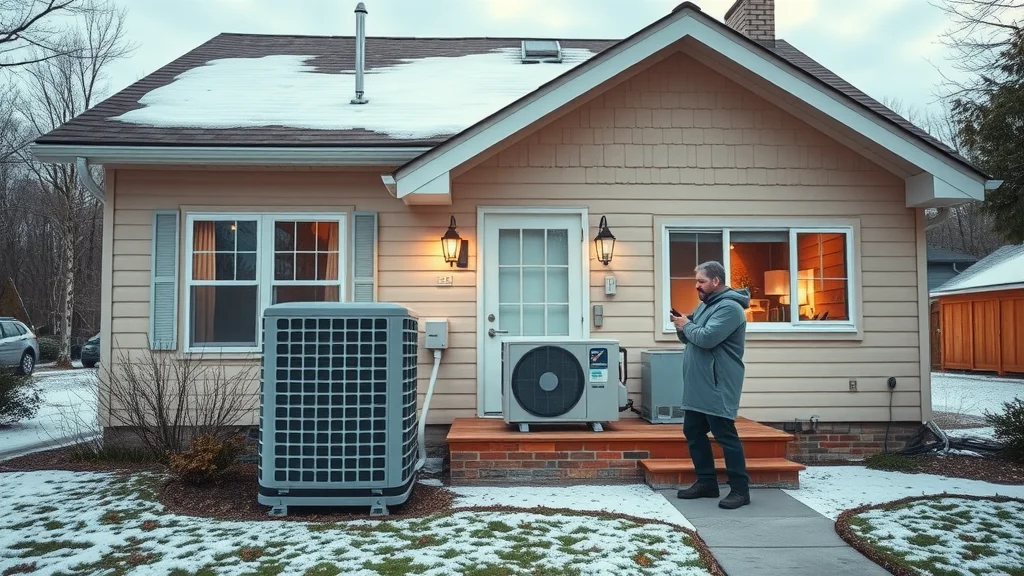

New HVAC system installation at a northern family home in winter by Partridge Family Heating

Surging energy bills, frequent system cycling, or uneven temperatures throughout the home can all signal that equipment is nearing the end of its lifespan. Even without catastrophic breakdowns, Partridge Family Heating LLC observes that many furnaces approaching two decades of use show gradual performance drop-offs that quietly drive up energy costs and reduce comfort. As a rule of thumb, if the expense to repair is more than a third of a new installation, it’s often wiser to invest in updated technology.

Installation Details That Often Increase Your Final Bill

Homeowners are frequently surprised to learn that equipment price is just one part of the total project cost. Various installation requirements can add hundreds or even thousands to the final price. If you’re switching to a heat pump or higher-capacity system, an electrical panel upgrade may be necessary to safely support new demand. Condensate pumps, designed to manage water drainage from air conditioners or heat pumps, are another common addition and may require specialized labor.

Replacing aging line sets—the copper tubing that carries refrigerant—can be essential for efficiency and system lifespan. Many replacements include new thermostats compatible with programmable or smart-home controls. Proper airflow balancing ensures comfort in every room, which may mean modifying existing ductwork or registers. Each step contributes to the reliability and safety of the final installation, emphasizing why site inspection and clear estimates from professionals are essential.
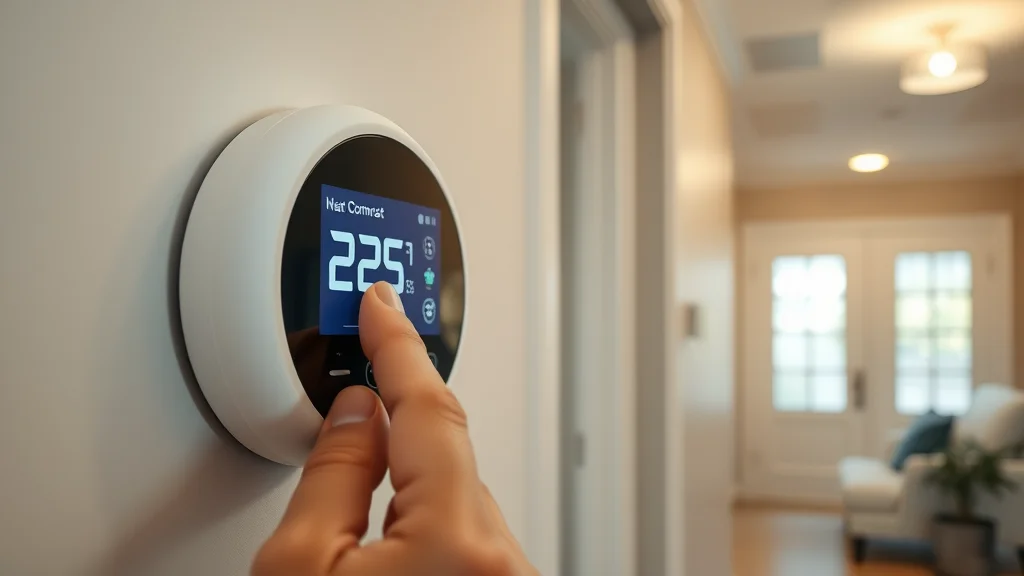

Homeowner using smart thermostat to control new hvac system in modern home

The True Cost of Ownership: Energy, Maintenance, and Incentives

Looking beyond installation, homeowners should weigh how new HVAC systems affect their long-term finances. Systems with higher energy efficiency ratings will generally offer lower monthly utility bills, especially in climates with significant temperature swings. Over the lifetime of the equipment, regular maintenance—from filter changes to annual inspections—ensures that performance stays high and breakdowns are rare.

Various rebates and incentives are available to defray upfront costs, from federal tax credits and state energy programs to localized utility offers. Navigating these programs can be complex, but even a modest rebate can ease the sticker shock of a modern, high-performance installation. Partridge Family Heating LLC, with years of experience handling these details, often notes the value of maximizing incentives as part of the upgrade process.

Exploring Financing and Payment Pathways: What Homeowners Use Most

For many families, the cost of a full HVAC replacement is not a bill paid out of pocket. Homeowners often turn to low-interest financing plans arranged through manufacturers or third-party lenders, allowing major projects to be paid for over months or years. Energy-efficiency rebates and promotional discounts offered by equipment manufacturers or regional utilities are another way to reduce the initial burden.

Some homeowners qualify for utility rebates designed to promote greener, more efficient technology. Each household’s best option will depend on region, system type, and the age of the home. The important step is to compare offers carefully and clarify terms before making a commitment.

Professional Assessment: Recognizing When It’s Time for an Expert Evaluation

Sometimes, the signs that a professional assessment is needed aren’t dramatic but appear in persistent subtleties around the home. Inconsistent temperatures from room to room, unusual odors or noises coming from vents, steadily rising fuel or electric bills, chronic repairs, poor airflow, or systems failing to hold a set temperature are all reasons to seek a trained technician’s guidance.

Partridge Family Heating LLC emphasizes that proper equipment sizing and design are especially important in cold-climate regions, where under- or over-sized systems can lead to inefficiency, discomfort, and unnecessary expense. A professional evaluation addresses problems that online research or quick visual checks cannot fully diagnose, ensuring the recommended solution is both effective and safe for your home.

Real-World Results: Homeowner Experiences in Their Own Words

The process of choosing and installing a new HVAC system can feel daunting, but firsthand accounts from homeowners who’ve undertaken this investment demonstrate what’s possible with informed planning and qualified workmanship. One Upper Valley customer captured the impact of professional, practical service in this review:

Partridge Family Heating is a first class locally owned business that provides outstanding service. After several disappointing experiences with other area providers, I called on Partridge Family Heating. They installed a new boiler at a very fair price. The workmanship was top-notch and the installation crew was very professional. I don't make such recommendations lightly. After many years in the mechanical contracting business, I know a excellent service provider when I come across one, and Partridge Family Heating deserves every one of the five stars in the five-star rating I gave them.

For many, the journey to a new HVAC system is about more than numbers—it’s about trust, performance, and the real difference quality makes day after day. Those who take the time to research, evaluate expert input, and choose experienced installers are rewarded with comfort and confidence for years to come.

Budgeting for a New HVAC System: Why Knowledge Matters Most

Ultimately, the cost of a new HVAC system is shaped by equipment, home characteristics, and local market realities. There’s no universal figure—but by understanding the key drivers, homeowners can approach quotes and proposals with confidence. The expertise and insight offered by seasoned technicians provide clarity that marketing materials can’t match. As demonstrated throughout this guide, input from field professionals like Partridge Family Heating LLC enables homeowners to make informed, practical decisions about one of the most critical investments in their property’s future.

Contact the Experts at Partridge Family Heating LLC

If you’d like to learn more about how a new HVAC system could benefit your home comfort and long-term utility savings, contact the team at Partridge Family Heating LLC.
📍 Address: 402 Switch Rd, Canaan, NH 03741, USA
📞 Phone: +1 603-523-4151
🌐 Website: http://www.partridgefamilyheat.com/

Partridge Family Heating LLC Location and Availability


📅 Monday: 7:00 AM – 3:00 PM

📅 Tuesday: 7:00 AM – 3:00 PM

📅 Wednesday: 7:00 AM – 3:00 PM

📅 Thursday: 7:00 AM – 3:00 PM

📅 Friday: 7:00 AM – 3:00 PM

📅 Saturday: ❌ Closed

📅 Sunday: ❌ Closed
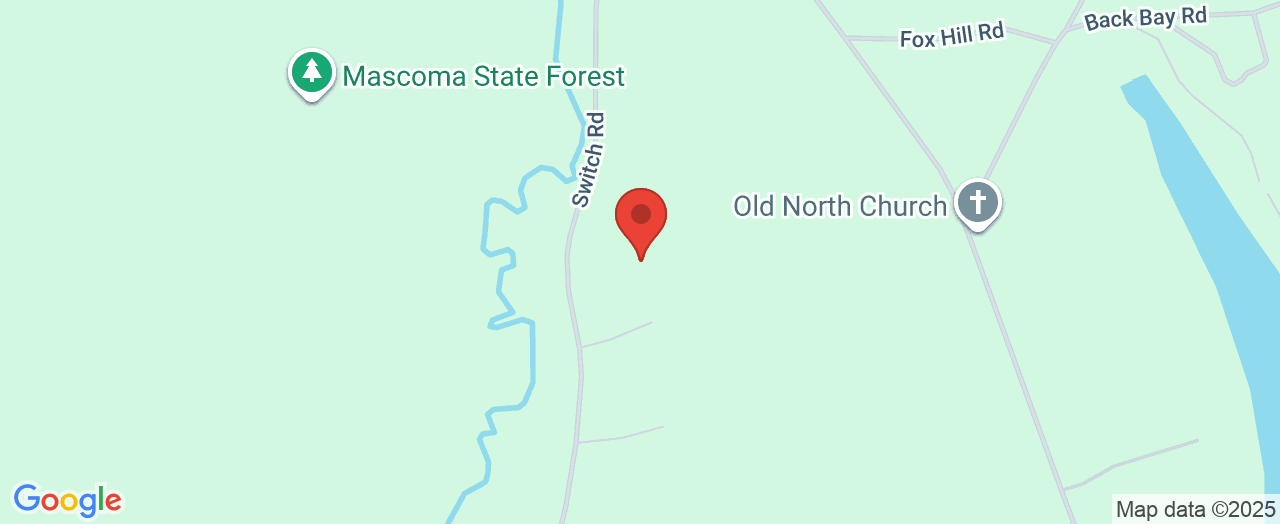

Location Map
HVAC Expert Insights

Write A Comment

*
*
Related Posts All Posts
12.10.2025

How to Troubleshoot HVAC Not Turning On: Expert Advice from Just Some Brothers Heating and Cooling

Just some brothers heating and cooling,LLC 📍 Address: 4118 NY-31, Clay, NY 13041, USA 📞 Phone: +1 855-697-8003 🌐 Website: https://www.justsomebrothersheatingandcooling.com/ ★★★★★ Rating: 5.0 Lost Heat or AC? Why Understanding Common HVAC Issues Matters in the Northeast A home’s heating and cooling system stands as its first defense against the elements—a reality that becomes painfully clear when the furnace or air conditioner doesn’t turn on during a frigid Syracuse winter night or a sweltering summer afternoon. For homeowners in aging Northeastern properties, where infrastructure and weather conditions conspire to challenge modern comfort, a silent HVAC unit can spell immediate discomfort, plumbing risks, and even health concerns. With energy costs rising and weather patterns growing more erratic, the pressure to solve an HVAC outage quickly and intelligently is only increasing. According to regional HVAC professionals, most home climate control failures start with a handful of predictable culprits. Yet, diagnosing what’s happening behind the scenes is rarely straightforward for the uninitiated. Overlooking a simple issue—like a thermostat setting or a tripped breaker—can lead to unnecessary service calls and longer stretches in the cold or heat. Conversely, missing early warning signs in complex mechanical systems might result in costly breakdowns or unsafe operating conditions if not addressed promptly. The following guide arms Northeast residents with practical, expert-endorsed steps to methodically troubleshoot a non-responsive HVAC system, helping families distinguish between quick DIY fixes and cases where a professional’s expertise is required. What Every Homeowner Must Know: The Real Reasons Your HVAC System Won’t Turn On Heating, ventilation, and air conditioning equipment is deceptively complex—integrating electrical, mechanical, and digital components across the home. When the system stays off despite obvious need, panic is a natural response, especially when outdoor temperatures swing toward dangerous extremes. In regions like Central New York, where older homes are common, a lack of familiarity with HVAC basics can quickly escalate an inconvenience into an untenable emergency. This makes understanding common sources of HVAC failure not just empowering, but essential. The journey from thermostat signal to climate comfort is fraught with potential stumbling blocks. Small, overlooked issues—like dead batteries, switched-off service panels, or clogged air filters—often masquerade as major failures. Yet, in houses with legacy wiring or outdated panels, these “minor” issues may hint at underlying vulnerabilities that worsen with each season. The loss of heat in the Northeast comes with unique risks: frozen plumbing, compromised indoor air quality, and the financial burden of urgent repairs. Knowing what to check—and when DIY ends—protects both household comfort and long-term property health. Key Troubleshooting Steps: Actionable HVAC Diagnoses from Regional Specialists Drawing from years of work in homes across Syracuse and neighboring communities, Just Some Brothers Heating and Cooling identifies several steps homeowners should use to troubleshoot when an HVAC unit remains silent. First, examine the thermostat—responsible for nearly a third of “no heat” calls, according to these local experts. A thermostat with drained batteries, incorrect mode settings, or loose wall wiring (common in homes with plaster walls) can cut off a system entirely. Verifying power supply comes next—furnaces and air handlers often sit on separate, dedicated circuits. Locating and resetting a tripped breaker (without repeated flipping, which signals a deeper issue) is a fast, crucial step, particularly since many Northeast homes have older, more sensitive panels and face wintertime electrical demand surges. The Syracuse-based team also emphasizes checking the unit's service switch—often mistaken for a light switch and inadvertently turned off during routine cleaning or organizing. A furnace or air handler switch left in the OFF position will render even the most advanced heating system inert. Keeping the air filter clean is just as vital; extreme airflow restriction from a clogged filter can overheat and automatically disable your HVAC equipment. In properties with aging ductwork, even modest blockages can tip an otherwise functional system into failure. Reviewing the outdoor unit becomes particularly important during and after seasonal storms: heat pumps and air conditioner condensers may be shut down by accumulated ice, drifting snow, or debris. Finally, the team recommends listening carefully: total silence may signal a failed blower motor, repetitive clicks can mean ignition problems, and a persistent hum without starting often reveals a failed capacitor. While basic checks may be household-friendly, at this stage, engaging a licensed technician is often the safest route due to the complexity and potential hazards involved. How Routine Maintenance by Local HVAC Experts Prevents Sudden Breakdowns The value of regular system care cannot be overstated—especially in older Northeastern homes that face dramatic seasonal swings. The Syracuse-based Brothers advocate for annual maintenance visits, during which technicians comprehensively inspect, clean, and calibrate both heating and cooling equipment. This approach helps catch common culprits—such as worn fan belts, leaky ducts, and dirty filters—before they become emergencies. When filters are cleaned or swapped consistently, airflow improves, reducing stress on both older and newer systems alike. Preventative attention also enables early detection of more serious issues that non-specialists might miss, such as rusted flue pipes or failing electrical components. The outcome is not just a lower risk of midwinter misery or peak-summer frustration, but also greater indoor air quality and reduced utility bills. As these local HVAC professionals note, prompt maintenance in the Northeast’s heavy weather cycles means less exposure to breakdowns—and in some cases, protection from secondary damage like frozen pipes or overheated motors. Adapting HVAC Troubleshooting Steps to Syracuse’s Unique Housing Stock Troubleshooting steps in the context of Central New York require an appreciation for the homes themselves. Many regionally-built houses rely on legacy wiring, period ductwork, or unconventional insulation strategies. This means that, while step-by-step HVAC checks are widely applicable, the experienced eye of a regional technician adds another layer of insight. For example, persistent airflow issues often trace back to undersized registers or duct leaks more common in houses built prior to 1970. Similarly, furnace switches situated in unusual locations can catch even attentive homeowners off guard. The regional expertise of companies like the Brothers reflects not only technical proficiency, but lived familiarity with common homeowner oversights: thermostats hidden behind furniture, breaker labeling quirks, or the “mystery switch” confusion in basements and utility closets. This contextual knowledge ensures that even troubleshooters following a general checklist benefit from local nuances that can make the difference between a quick fix and a prolonged outage. Seasonal Shifts and the Added Risk for Your HVAC System Extreme cold snaps and summer heatwaves put compounded stress on HVAC systems across the Northeast. During high energy demand, sensitive older electrical panels may trip breakers more easily, especially in multi-family dwellings or neighborhoods experiencing grid strain. Meanwhile, wintertime issues like ice on heat pump coils or snow-blocked air intakes are much less common in milder climates but are a routine concern in Syracuse’s lake-effect environment. Homeowners who understand these seasonal vulnerabilities, and adjust routine checks accordingly—such as clearing snow away after storms or supplementing insulation in draft-prone rooms—are better positioned to avoid emergencies. The Brothers recommend staying attentive not just to immediate symptoms, but also to gradual performance changes as seasons change, ensuring that minor inefficiencies don’t become major disruptions when swift intervention becomes critical. How Just Some Brothers Heating and Cooling Defines Trusted HVAC Troubleshooting in Central New York The approach taken by Just Some Brothers Heating and Cooling is rooted in a philosophy of rigorous assessment, patient education, and transparent collaboration with homeowners. The team, known across Syracuse and surrounding areas for its detailed system assessments and honest recommendations, emphasizes the critical role of initial diagnostics—listening to residents’ lived experiences, asking the right questions, and methodically tracing problems from simple to complex causes. This method ensures no basic check is skipped before turning to costlier repairs or replacements. At the heart of the Brothers’ practice is a deep belief in proactive, family-oriented service: the household’s year-round comfort and safety guide every step. The group’s commitment to ongoing, evidence-based maintenance is not just about equipment longevity, but about insulating families from Northeast climate challenges unique to the region. Having built a reputation for reliability, availability (including 24-hour emergency response), and clear communication, these local HVAC experts set a standard for how trusted troubleshooting and care can keep homes comfortable and systems operating smoothly through the fiercest winter or hottest summer. Homeowner Confidence in Action: A Word from a Satisfied Customer For many Syracuse area residents, the proof of an HVAC expert’s value lies in responsive problem-solving and genuine dedication to getting things right. One area homeowner shared this experience after an urgent system replacement: Alex went over and above when replacing my condensing unit!! He stayed on the job for extra hours until he was satisfied it was up and running properly. Alex was professional, knowledgeable, punctual, thorough and courteous with reasonable prices and is someone who takes pride in his work! I highly recommend this company!! This perspective echoes what many in Central New York seek from their local HVAC team: not only technical proficiency but a willingness to treat each home with personal investment. Successful interventions often mean more than restored warmth or cooling—they inspire trust and reinforce the wisdom of following expert guidance with high-stakes home comfort decisions. Ensuring Year-Round Comfort: The Lasting Value of HVAC Troubleshooting and Local Expertise As Northeast weather puts homes and HVAC systems to the test each year, informed, step-by-step troubleshooting offers a safeguard against seasonal crises. The hands-on approach modeled by the team at Just Some Brothers Heating and Cooling shows that while many issues start simple, every check—from the thermostat to breaker, from filter to outdoor unit—matters. Homeowners who recognize these signals and act promptly give themselves the best chance at uninterrupted comfort, efficiency, and safety. With the combination of foundational technical know-how, consistent maintenance, and a locally grounded perspective, Central New York families can move confidently through winter and summer alike. When more complex repairs are needed, the trust and availability offered by established Syracuse HVAC professionals provide the peace of mind every homeowner deserves—proving that the right troubleshooting routine is always a smart first line of defense. Contact the Experts at Just Some Brothers Heating and Cooling, LLC If you’d like to learn more about how HVAC troubleshooting could benefit your home’s heating and cooling reliability in all seasons, contact the team at Just Some Brothers Heating and Cooling, LLC. 📍 Address: 4118 NY-31, Clay, NY 13041, USA 📞 Phone: +1 855-697-8003 🌐 Website: https://www.justsomebrothersheatingandcooling.com/ Just Some Brothers Heating and Cooling, LLC Location and Hours 🕒 Hours of Operation:📅 Monday: 8:00 AM – 5:00 PM📅 Tuesday: 8:00 AM – 5:00 PM📅 Wednesday: 8:00 AM – 5:00 PM📅 Thursday: 8:00 AM – 5:00 PM📅 Friday: 8:00 AM – 5:00 PM📅 Saturday: Open 24 hours📅 Sunday: Open 24 hours

12.10.2025

HVAC Solutions for Mobile Homes: Expert Advice from Paul’s Service Company That Every Homeowner Should Know

Pauls Service Company📞 Phone: +1 978-388-5521🌐 Website: https://www.paulsservicecompany.com/★★★★★Rating:0.0Meeting Northeast Mobile Home HVAC Needs: What Every Owner FacesMobile home owners throughout the Northeast contend with challenges that stretch beyond simple comfort—especially when the thermometer dips below freezing or swelters in humid summer peaks. In this region, where the climate is notoriously unpredictable, temperature extremes can swiftly reveal the shortcomings of outdated or ill-suited heating and cooling systems. Whether you’re navigating an unexpectedly long winter or a sudden burst of hot, sticky weather, the limitations baked into older mobile home designs often become painfully obvious and expensive.Understanding the intricacies of HVAC—and how they apply directly to manufactured housing—is more than a matter of preference. It’s essential for safe, consistent comfort, reliability, and fiscal responsibility. The demands placed on mobile home HVAC systems in this environment are far from generic. They require special consideration and planning, as traditional equipment sizing and installation methods can fail spectacularly if applied without regard for a mobile home’s unique design. Industry specialists have documented countless cases where improper system selection or shortcuts in installation have led to uneven temperatures, skyrocketing bills, and premature system breakdowns. Addressing these hidden pitfalls early on is not only wise but critical—helping homeowners avoid troubleshooting nightmares down the road. Rethinking HVAC for Mobile Homes: Anatomy of a Specialized SystemThe science behind residential HVAC becomes far more layered when applied to mobile homes. Unlike site-built houses, manufactured homes are constructed with compact layouts, narrow ductwork, and lighter, sometimes less insulated building materials—all factors that sharply impact how heating, ventilation, and air conditioning systems perform. One recurring issue across the Northeast, as outlined by experienced Danville technicians, is that undersized or improperly routed duct channels restrict both airflow and sensible equipment selection. These constraints mean that using “off-the-shelf” solutions often results in inefficient climate control, rapid system wear, and higher energy costs.Historically, many mobile homes in this region were installed with only rudimentary heating setups—and almost never with central cooling. As such, upgrades must navigate challenging spatial clearances, HUD safety standards, and varied insulation and air sealing. When HVAC units are oversized to combat cold snaps but not properly matched to the space’s unique envelope, it’s common to see problems such as short cycling, inconsistent comfort, and breakdowns. Homeowners unaware of these technical nuances often find themselves stuck with systems that underperform when the weather is at its worst—precisely when reliable heating or cooling is needed most.Why Cold-Climate Heat Pumps and Mini-Splits Have Changed the HVAC Landscape for Mobile Homes Paul’s Service Company, a family-run HVAC provider rooted in Danville and serving the greater Seacoast and Manchester areas, brings a technician’s perspective to this evolving landscape. According to the company’s seasoned professionals, heat pump systems—especially the latest cold-climate models—now represent a practical, highly efficient answer for mobile homes facing everything from harsh New England winters to muggy coastal summers. Unlike conventional air conditioners and furnaces, heat pumps offer a single solution for both heating and cooling, which is especially appealing in homes with physical space constraints.Ductless mini-split systems, which have gained popularity in the Northeast for their adaptability and non-invasive installation, require no major ductwork. The Danville team notes their strong performance in restricting utility costs while delivering precise zone control—essential for compact, segmented floorplans common in manufactured housing. From lower installation invasiveness to heightened operational efficiency, these options minimize disruption and maximize year-round comfort, reducing the need for costly retrofits or intrusive carpentry.Specialized Furnaces: Adhering to HUD Standards in Mobile Home HVAC UpgradesFor mobile homeowners who prefer traditional forced-air heating, merely choosing a high-powered residential unit is not only ineffective—it can be dangerous. The technicians at Paul’s Service Company emphasize the need for furnaces specifically manufactured and rated for mobile home use. These units feature sealed combustion chambers and are built with the structural and safety criteria outlined by federal HUD regulations. Retrofitting or replacing original mobile home furnaces with inappropriately sized or designed equipment consistently results in operational headaches: overheating, noisy and premature system cycling, and energy waste are common symptoms in the field. The Danville HVAC specialists routinely address the aftermath of previous installations where standard residential furnaces were forced into a mobile home setting against code or manufacturer recommendations. Such mismatches not only compromise efficiency but also expose homeowners to real safety concerns—underscoring the importance of choosing HVAC professionals familiar with the unique requirements of manufactured housing.Getting HVAC Sizing Right: The Critical Role of Load Calculation in Mobile HomesSystem sizing in mobile homes is not just about comfort—it’s about extending equipment longevity and maintaining energy efficiency during the region’s arduous heating season. Oversized air conditioners cool too quickly, leaving behind humid interiors, while oversized furnaces cycle rapidly, dramatically shortening equipment lifespan. Undersized systems, conversely, operate continuously—leading to wear and elevated energy consumption. Paul’s Service Company’s approach underscores the necessity of precise, room-by-room load calculations, which take into account insulation gaps, ventilation from skirting, and the localized impact of New England’s subfreezing winters.Gone are the days when HVAC planning for a mobile home could be managed by rough estimate or casual sizing “rules of thumb.” The Danville technicians point out that every manufactured home—thanks to its distinctive architecture—needs careful analysis before any equipment decision is made. Addressing these factors at the outset reduces instances of uneven heating, high bills, and repeated breakdowns, leading to a system tailored for sustained comfort and reliability. Long-Term Comfort in the Northeast: Practical Insights for Mobile HomeownersMobile homeowners in the Northeast are well-served by a proactive, educated approach to HVAC design and maintenance. Over time, lessons learned in the field make clear that chasing the largest or most expensive system rarely delivers the best outcome. Instead, fitting the system to the home’s specific needs—balancing load, layout, and local climate factors—betters every measure of performance. Local HVAC specialists remind homeowners that a well-maintained, right-sized system consistently offers more reliable comfort and energy savings year after year.Paul’s Service Company’s field-experienced technicians recommend regular checkups, filter maintenance, and carefully planned upgrades for all mobile home HVAC systems. This pragmatic mindset, rooted in decades of tackling regional challenges, ensures homeowners stay ahead of costly repairs and enjoy consistent indoor quality. In an environment where weather can be unforgiving and housing construction differs from the norm, these small, targeted actions accumulate to make a tangible difference.Paul’s Service Company: A Local Perspective on Mobile Home HVAC ExcellenceAs a family-owned and owner-operated business with more than 30 years in the field, Paul’s Service Company operates with a practical philosophy: reliable HVAC requires more than technical skill—it demands a nuanced understanding of each client’s home and needs. Rooted in Danville and extending their reach across the Seacoast to southern Maine and the wider Northshore Massachusetts region, these technicians bring a distinct blend of regional insight and service continuity to every project.Their approach blends hands-on experience with a commitment to transparent, up-front estimates and honest guidance—a must when serving a demographic contending with unique housing constructions. The service company’s mission is clear from its longstanding community presence: to provide accurate HVAC assessments, tailored system designs, and responsive repair or maintenance, all while honoring the practical realities of mobile home living. For homeowners, this means trusted guidance and solutions grounded in decades of local, real-world expertise.What Real Homeowners Experience with Professional Mobile Home HVAC ServiceThe lived experience of mobile home owners in the Northeast often echoes themes of relief and reassurance when systems are evaluated and serviced by local experts familiar with manufactured housing challenges. While specific client testimonials are withheld in this overview, the broad trajectory revealed by decades of feedback is unmistakable—those who engage with HVAC professionals versed in the unique constraints of mobile homes consistently report better comfort, increased trust, and peace of mind. [[review_one_text]] —[[review_one_name]]Homeowners who act on this expertise experience not just improved heating and cooling, but also confidence that their homes are safeguarded against common HVAC missteps. By aligning systems with the realities of mobile home life—and proactively managing maintenance—mobile residents position themselves for years of comfortable, worry-free living.The Lasting Value of Smart HVAC Planning for Mobile HomesFor residents of the Northeast, the path to lasting indoor comfort winds through a maze of climate extremes, evolving building codes, and structural quirks unique to manufactured housing. Paul’s Service Company stands as a local authority, demonstrating that informed choices—rooted in accurate sizing, qualified equipment, and thorough understanding of home limitations—can transform HVAC from a source of stress into a foundation for year-round comfort.Mobile homeowners who prioritize the right system, regular maintenance, and an informed approach to their living space are those who overcome inefficiency and unexpected breakdowns. In a region where temperature swings can be dramatic and every square foot counts, effective mobile home HVAC is not optional—it’s essential. Thanks to objective, regionally informed expertise, solutions are more accessible and reliable than ever.Contact the Experts at Paul’s Service CompanyIf you’d like to learn more about how HVAC solutions tailored to mobile homes could benefit your comfort and efficiency, contact the team at Paul’s Service Company.📞 Phone: +1 978-388-5521🌐 Website: https://www.paulsservicecompany.com/Paul’s Service Company Location and Hours🕒 Hours of Operation:📅 Monday: 9:00 AM – 5:00 PM📅 Tuesday: 9:00 AM – 5:00 PM📅 Wednesday: 9:00 AM – 5:00 PM📅 Thursday: 9:00 AM – 5:00 PM📅 Friday: 9:00 AM – 5:00 PM📅 Saturday: ❌ Closed📅 Sunday: ❌ Closed

12.10.2025

How Insulated Metal Panels Meet the Need for Efficiency in Construction

Update Introducing Insulated Metal Panels: Solutions for a Modern ChallengeIn today's fast-paced construction industry, the quest for efficiency, cost-effectiveness, and speed has never been more urgent. With rising demands for expedited builds amid labor shortages and fluctuating material costs, industry innovations such as Insulated Metal Panels (IMPs) are gaining traction. These versatile panels serve as a comprehensive solution, addressing multiple challenges while promoting sustainability.The Multifaceted Benefits of IMPsIMPs function as an integrated building envelope, combining insulation and cladding into a single, easy-to-install unit. This innovation leads to significant savings in both time and labor costs. As noted by industry experts, switching to IMPs can reduce construction timelines by up to 50%. Their lightweight design ensures ease of handling, and their prefabricated nature means builders can face less onsite complexity, which translates to enhanced project velocity.Moreover, IMPs provide exceptional thermal efficiency, boasting an R-value of up to 9 per inch, which significantly lowers energy bills. This advantage makes them a favorable option for meeting stringent energy regulations and green building certifications such as LEED.How IMPs Address Construction Challenges TodayAs the construction industry grapples with persistent labor shortages, IMPs enable companies to deliver high-quality structures without compromising on the timeline. They minimize delays caused by weather, as their moisture-resistant properties allow construction to continue in adverse conditions. According to a report by Procore, the pressure to meet tight deadlines is paramount, and missing these can result in substantial financial losses.Cost Efficiency and Sustainability in BuildingAdopting IMPs can yield remarkable cost savings, not just during the installation phase but throughout the lifecycle of the building. Their durability reduces maintenance needs, effectively ensuring that property owners spend less on repairs and upkeep. Additionally, the panels are made from recycled materials and are 100% recyclable, aligning with contemporary sustainability goals crucial for homeowners and builders alike.Design Flexibility: Aesthetic Meets FunctionalityBeyond their structural and functional benefits, IMPs offer designers incredible versatility. Available in various colors, textures, and profiles, they meet aesthetic demands without sacrificing performance. Whether constructing warehouses or residential properties, architects can achieve unique design visions while enhancing insulation and energy efficiency.Looking Ahead: The Future of Construction with IMPsLooking towards the future, the demand for techniques that enhance velocity while upholding quality is poised to skyrocket. Companies that adopt IMP technology may find themselves at a competitive advantage amidst the ever-evolving construction landscape. As builders strive to meet modern demands, IMPs could redefine industry standards, promising an era where efficiency and quality go hand-in-hand.How Home Service Providers and Homeowners Can BenefitFor home service providers, the adoption of IMPs can translate into quicker project turnovers and satisfied clients. Homeowners and homebuyers also stand to gain from residences that are constructed faster, promise lower utility costs, and exhibit enduring quality. By understanding the advantages of IMPs, all stakeholders can make informed decisions that ultimately elevate the standards for residential and commercial construction.To stay ahead in the competitive construction market, embrace the advantages that Insulated Metal Panels have to offer. As technology advances, integrating sustainable solutions like IMPs may very well be the key to meeting future construction challenges.

Terms of Service

Privacy Policy

Core Modal Title

Sorry, no results found

You Might Find These Articles Interesting

T
Please Check Your Email
We Will Be Following Up Shortly
*
*
*